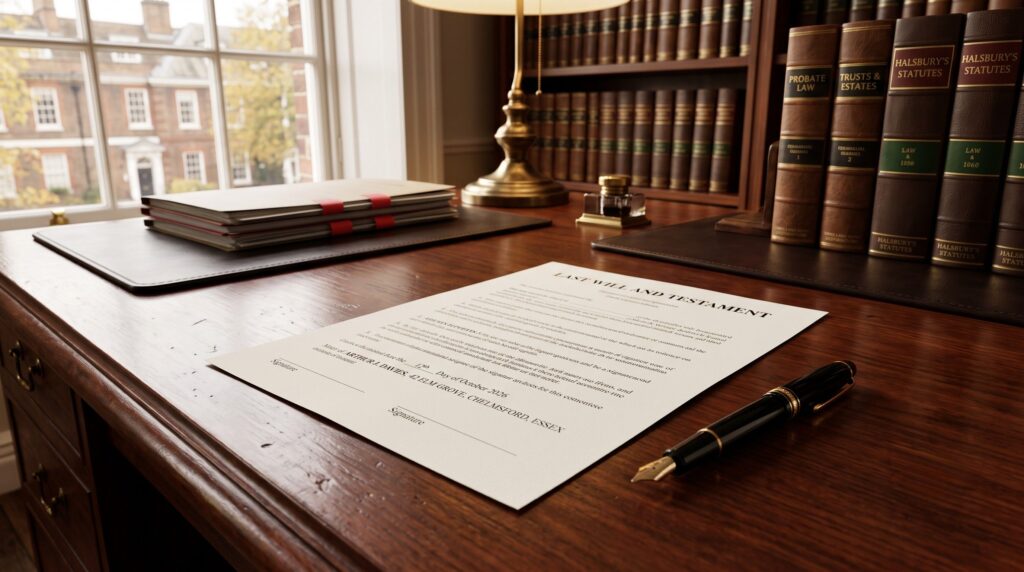
My uncle agreed to be his best friend’s executor without really thinking it through — it felt like an honour at the time, a sign of trust between two old friends. Eighteen months later, he was still untangling a pension account, chasing down an old business debt, and fielding phone calls from a beneficiary who wanted “updates” every other week. He told me afterward, half-joking, half-serious: “Nobody tells you what you’re actually signing up for.”
So if you’ve just been asked to be someone’s executor, or you’re choosing who to name as yours, here’s the real picture — not just the tidy legal definition, but what the job actually involves in the UK.
Table of Contents
- What Does an Executor Actually Do?
- Who Can You Legally Appoint as an Executor?
- Can a Family Member Be an Executor?
- Who Cannot Act as an Executor?
- What Are the Key Responsibilities of an Executor?
- What Are the Disadvantages of Being an Executor?
- Should You Appoint a Professional Executor Instead?
- Mistakes People Make
- Frequently Asked Questions
- Final Thoughts
What Does an Executor Actually Do?
When you write a will, you’re not just deciding who inherits what — you’re also choosing the person legally responsible for actually carrying out those wishes. That’s the executor’s role, and it’s a genuinely significant job involving legal paperwork, financial tracking, and administrative work, often during one of the hardest periods of someone’s life. In 2026, with more of the process going digital, it also increasingly means someone comfortable navigating online portals and government forms, not just filing paperwork by post.

Who Can You Legally Appoint as an Executor?
The legal bar is actually pretty low — it’s the practical demands that are much higher.
- Age: An executor must be at least 18 at the time of your death.
- Mental capacity: They need to be of sound mind, capable of making legal and financial decisions.
- Number of executors: You can name up to four to act together, though most people go with two. That way, if one can’t act for any reason, the other can carry on without needing court intervention.
Can a Family Member Be an Executor?
Yes, absolutely — and this is one of the biggest myths that trips people up. Being named as a beneficiary doesn’t disqualify someone from also being your executor. In fact, most people specifically choose a spouse or adult child for both roles, since it’s usually someone they trust deeply with both their inheritance and the process of sorting out their affairs. There’s no legal conflict in doing both, as long as the person is willing and capable.
Who Cannot Act as an Executor?
While the legal requirements are minimal, there are a few situations worth being cautious about:
- Bankrupt individuals. It’s not always a strict legal bar, but appointing someone currently bankrupt can complicate the probate process, since they may be viewed as unsuitable to manage someone else’s finances.
- Witnesses who are also beneficiaries. Never let your executor witness your will if they’re also due to inherit under it. If a beneficiary witnesses the will, they lose their right to that inheritance entirely — a mistake that’s surprisingly easy to make without realising it.
Beyond that, anyone under 18 or lacking mental capacity to make legal decisions simply can’t take on the role.
What Are the Key Responsibilities of an Executor?
The job kicks off the moment someone passes away, and typically follows this general path:
- Registering the death and handling funeral wishes. While family usually organises the funeral itself, the legal responsibility technically sits with the executor, including registering the death (usually within 5 days) and checking the will for any specific wishes.
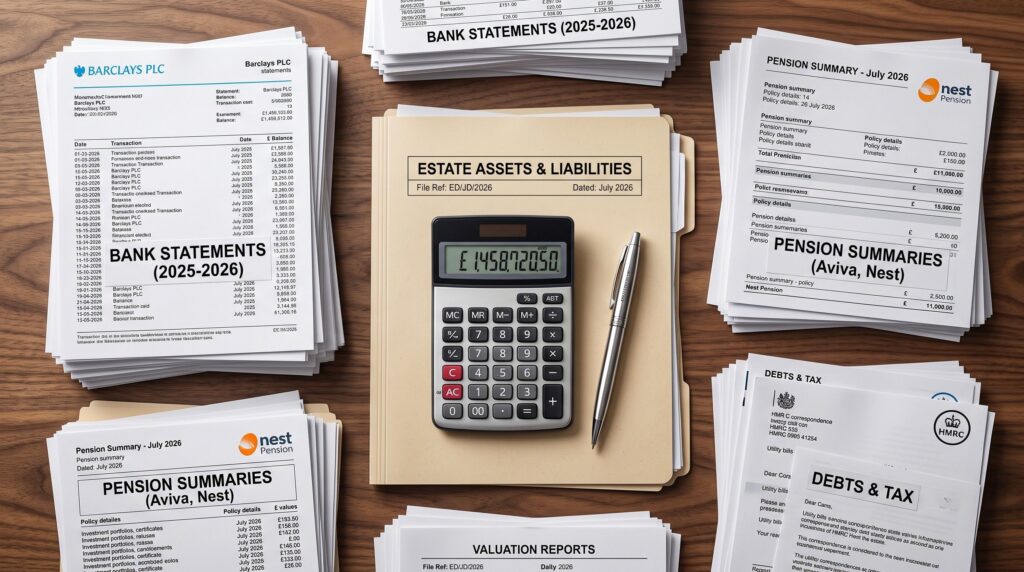
- Valuing the estate. This means tracking down every bank account, pension, property, and outstanding debt, to build an accurate picture of the estate’s net value for the court and tax authorities.
- Applying for probate. Unless the estate is very small, a Grant of Probate is required — the official document giving legal power to sell property and access bank accounts.
- Paying debts and taxes. All debts and any Inheritance Tax due must be settled before a single penny reaches the beneficiaries. Distribute funds too early, and the executor can be held personally liable for unpaid tax.
- Distributing the inheritance. Once everything’s settled, the remaining assets go to beneficiaries exactly as the will instructs, with detailed records kept in case anyone asks to see them later.
What Are the Disadvantages of Being an Executor?
This is the part my uncle didn’t fully appreciate going in. Being an executor can mean:
- Real time commitment. Sorting a modest estate can still take months; a complex one can stretch well over a year.
- Personal financial liability. Get the order of paying debts and taxes wrong, and you could personally owe money, not just the estate.
- Family friction. Executors often become the target of beneficiary frustration, even when delays are entirely outside their control (probate backlogs, for instance).
- Unpaid work. Lay executors — friends or family, rather than professionals — generally can’t charge for their time, only claim back genuine out-of-pocket expenses.
- Emotional toll. Handling a loved one’s affairs while also grieving is genuinely draining, and it’s rarely discussed honestly before someone agrees to take it on.
Should You Appoint a Professional Executor Instead?
For complicated estates — think businesses, property abroad, or a family situation likely to end in disputes — some people choose a professional executor, such as a solicitor or accountant, instead of a friend or relative.
The upside: they bring genuine tax and legal expertise, they’re impartial (which matters a lot in a contentious family), and they carry professional indemnity insurance.
The downside: they charge for their work, and that fee comes directly out of the estate, reducing what’s left for beneficiaries.
Mistakes People Make
- Agreeing to be an executor without really understanding the time and liability involved.
- Letting a beneficiary witness the will, accidentally disqualifying them from their own inheritance.
- Distributing inheritance before debts and tax are fully settled, risking personal liability.
- Not naming a substitute executor, leaving no backup if the original executor can’t act.
- Assuming being an executor means getting paid for the time spent — lay executors generally can’t.
Frequently Asked Questions
What are the key responsibilities of an executor?
Registering the death, valuing the estate, applying for probate, paying off debts and Inheritance Tax, and finally distributing the remaining assets to beneficiaries exactly as the will instructs.
Can a family member be an executor?
Yes. A family member can be both a beneficiary and an executor at the same time — this is extremely common and carries no legal conflict, provided they don’t also witness the will.
Who cannot act as an executor?
Anyone under 18, anyone lacking the mental capacity to make legal decisions, and generally anyone who witnessed the will if they’re also named as a beneficiary (which disqualifies their inheritance, not necessarily their role as executor, though it’s best avoided entirely). Bankrupt individuals can also complicate matters, even if not strictly barred.
What are the disadvantages of being an executor?
The role can involve significant time, personal financial liability if debts or tax aren’t handled correctly, unpaid work for lay executors, potential family friction, and real emotional strain while also grieving.
Can an executor refuse to act?
Yes. No one can be forced into the role. If someone doesn’t want to act, they can formally “renounce” it, provided they haven’t already started dealing with the estate.
Can an executor be paid for their time?
Generally, family or friend executors can’t charge for their time, though they can claim back genuine out-of-pocket expenses from the estate. Professional executors, like solicitors, are paid a fee for their work.
Does an executor have to live in the UK?
No, but living abroad can make the process considerably harder, since they’ll still need to sign documents and deal with UK-based banks and agents, often leading to delays.
What happens if an executor dies before the person who made the will?
This is exactly why naming at least one substitute executor matters. If all named executors die first, the court has to appoint an administrator instead — who may not be someone you would have chosen yourself.
Final Thoughts
Choosing an executor isn’t just a gesture of trust between friends or family — it’s a genuinely practical decision that deserves real thought. Whether you pick a loved one or a professional, the fairest thing you can do is talk it through with them first, so they know exactly what they’re agreeing to before they say yes. My uncle got through it, but he’ll be the first to tell you he wishes someone had walked him through all of this beforehand.
Further reading: GOV.UK – Applying for probate | GOV.UK – Being an executor of a will
Disclaimer: This is an informational guide, not legal advice. The role of an executor carries significant legal liability. If you’re an executor dealing with a complex estate, we strongly recommend seeking advice from a qualified solicitor.

David Hargreaves is a legal content writer specialising in wills, inheritance, and cohabitation rights. He is passionate about helping UK residents understand what happens to their assets and loved ones, and writes in-depth guides to make the law easy to understand for everyone.