
There’s this odd assumption that wills belong to old age — something you sort out somewhere around retirement, alongside downsizing and finally using that stairlift brochure that’s been sitting in the drawer. I used to think that too, if I’m honest, right up until a colleague in his early thirties died suddenly, leaving a partner he’d never married and a two-year-old daughter, and absolutely no will at all.
What followed wasn’t dramatic in the movie sense. It was just slow and unfair. His partner had no automatic legal right to the house they’d bought together as tenants in common. Assets got tied up in probate for the better part of a year. And none of it needed to happen — a single afternoon with a solicitor years earlier would have prevented the entire mess.
So let’s actually answer the question properly: not “when should everyone eventually get a will,” but the specific moments in life where the risk of not having one jumps sharply, and waiting stops being a harmless delay.
Turning 18: The Overlooked Starting Line
Nobody expects an eighteen-year-old to need a will, and for most, it genuinely isn’t urgent. But it’s worth knowing that legally, you can make one from the age of 18 in England and Wales, and there are specific situations even at this age where it starts to matter — inherited money from a grandparent, a small business, or a bank account with meaningful savings.
This stage isn’t really about the will itself. It’s about the habit. People who start thinking about this early tend to actually update it later, instead of putting the whole subject off indefinitely.
Moving In With a Partner (Married or Not)
This is the single biggest blind spot people have, and it deserves far more attention than it usually gets. The moment you move in with someone — buy property together, share finances, build a life together — the legal risk changes completely if you’re not married.
There’s no such thing as “common-law marriage” in England and Wales. It doesn’t matter how long you’ve lived together, whether you have children, or whether you’ve bought a home jointly — an unmarried partner has no automatic right to inherit anything if you die without a will. If you’re in a long-term relationship and haven’t married, this is genuinely one of the most urgent life stages on this entire list, not one of the milder ones.
Buying Your First Property
The moment your name goes on a mortgage, your estate suddenly involves something with real, fixed value — and often a partner or family member with a stake in what happens to it.
This is also the stage where the way you own the property matters enormously. Property held as joint tenants passes automatically to the surviving co-owner regardless of what a will says. Property held as tenants in common does not — your share passes according to your will, or intestacy rules if you don’t have one. Plenty of people don’t even know which one applies to their own home, let alone plan around it.
Getting Married
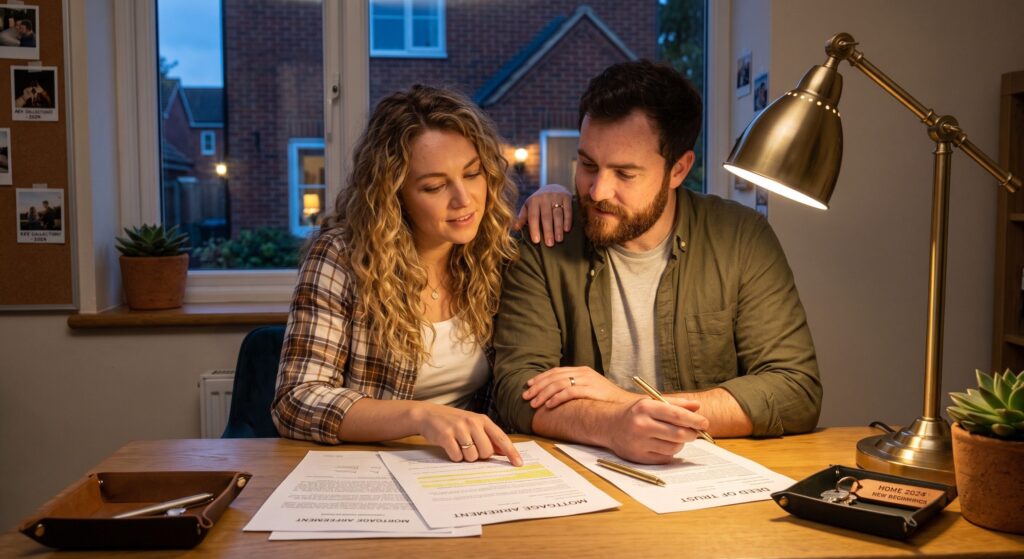
Here’s a detail that catches an enormous number of people off guard: marriage doesn’t just make a will more sensible, it actively cancels any will you already had, unless that earlier will was specifically made “in contemplation of” your marriage.
So if you wrote a will in your twenties, then got married years later, there’s a real chance you currently have no valid will at all, even though you assume you do. This life stage isn’t just “you should probably think about a will now” — it’s “check immediately whether the one you have still legally exists.”
Having Children
This is the stage most people finally take seriously, and understandably so — it’s the one where the stakes stop being purely financial.
Without a will, you haven’t named a guardian for your children, which means a court decides who raises them if both parents die, based on whatever evidence and family disputes arise at the time. A will also lets you set up arrangements so that any inheritance intended for young children is properly managed until they’re old enough to handle it themselves, rather than distributed in ways that don’t suit their age.
If there’s one life stage where “I’ll get round to it eventually” genuinely stops being acceptable, this is it.
Starting a Business or Becoming Self-Employed
Business ownership adds a layer most general “make a will” advice skips over. Without clear instructions, your business interests fall into the same intestacy rules as everything else, which can force a sale, freeze operations, or hand control to someone with no idea how to run it.
This is also the stage where it’s worth getting proper advice rather than a generic template, since business assets, partnerships, and certain reliefs on inheritance tax genuinely need specialist input to structure correctly.
Divorce or Separation
Divorce doesn’t automatically cancel your will the way marriage does — it changes how certain parts of it are interpreted, generally treating an ex-spouse as having predeceased you for the purposes of gifts and executor appointments, but it doesn’t rewrite the whole document for you.
This means a huge number of people carry an outdated will straight out of a marriage and into a new relationship without realizing it. If you’ve separated or divorced, this is a hard deadline for a review, not a someday task.
Remarriage or Blended Families

Second marriages bring a specific complication that first marriages usually don’t: balancing provision for a new spouse against children from a previous relationship. Without careful planning, it’s entirely possible for a family home to pass entirely to a second spouse, leaving children from an earlier marriage with nothing, regardless of what you actually intended.
This is one of the stages where a straightforward will often isn’t enough on its own — many families in this situation use a property protection trust, which allows a surviving spouse to remain in the family home while still ring-fencing an eventual inheritance for children from an earlier relationship.
Approaching Retirement
By this stage, most people have accumulated the bulk of what they’ll ever own — a paid-off or nearly paid-off mortgage, pensions, savings, maybe a second property. It’s also the stage where inheritance tax planning starts to genuinely matter, since estates that felt modest in your thirties can comfortably exceed the nil-rate band by retirement age.
This is also, conveniently, the stage where free or low-cost will-writing schemes become available. Charitable campaigns running each March and October let people aged 55 and over write or update a basic will at no cost through participating solicitors, funded by charity sponsors hoping participants might consider a bequest in return.
A Serious Health Diagnosis
Nobody wants to think about this one, but it’s one of the clearest triggers there is. A serious diagnosis is exactly the moment people realize, often too late, that they never got round to formalizing anything. At this stage, a will becomes urgent alongside something equally important that often gets overlooked — a Lasting Power of Attorney, which allows someone you trust to make financial or medical decisions on your behalf if you become unable to make them yourself. The two documents cover different situations, and this life stage is when both suddenly matter at once.
Common Mistakes to Avoid
- Assuming young age means low risk. Property, savings, or children can make a will urgent well before retirement age.
- Believing living together long-term offers legal protection. It doesn’t, regardless of how many years or children are involved.
- Forgetting marriage cancels a prior will. Check this specifically after any wedding, even if you already had a will.
- Assuming divorce automatically updates everything. It changes some interpretations but doesn’t rewrite the will for you.
- Leaving business assets unaddressed. Generic templates rarely handle business ownership well.
- Waiting for a health crisis to think about both a will and an LPA. Ideally, both should be sorted before they’re urgently needed.
Final Thoughts
There’s never a perfect, comfortable moment to write a will — that’s exactly why so many people wait until it’s genuinely too late. But looking at it through life stages, rather than as one dreaded, distant task, makes it feel far more manageable. You don’t need to solve your entire estate in one sitting. You just need to notice which of these stages you’re actually standing in right now, and treat that as the deadline it actually is.
FAQ
At what age can you legally write a will in the UK?
You can make a legally valid will from the age of 18 in England and Wales.
Does getting married cancel an existing will?
Yes. Marriage automatically revokes a will made beforehand, unless it was specifically written in contemplation of that marriage.
Do unmarried couples need a will more urgently than married couples?
In many ways, yes. Unmarried partners have no automatic right to inherit anything under UK intestacy law, regardless of how long the relationship has lasted.
Does divorce automatically update your will?
No. Divorce changes how certain provisions are interpreted, generally treating an ex-spouse as having predeceased you, but it doesn’t rewrite the will as a whole.
Is a will still important later in life, like around retirement?
Very much so — retirement is often when estates are largest and inheritance tax planning matters most, and it’s also when free or low-cost will schemes for people aged 55 and over become available.

David Hargreaves is a legal content writer specialising in wills, inheritance, and cohabitation rights. He is passionate about helping UK residents understand what happens to their assets and loved ones, and writes in-depth guides to make the law easy to understand for everyone.