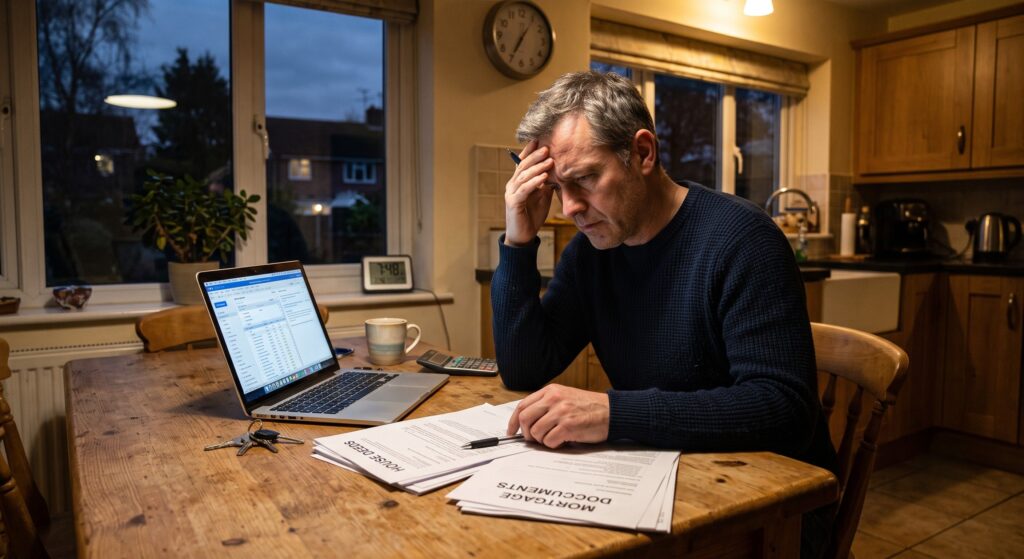
If you’ve typed some version of this question into Google at 11pm, I already know roughly where your head’s at. Maybe things have gone rocky at home, maybe you’re thinking about asking her to move out, maybe you’re just being sensible before you let someone move in. Whatever brought you here, let’s skip the anxiety spiral and get you a straight answer.
Can My Girlfriend Claim Half My House in the UK?
If you’re not married, and the house is solely in your name, she doesn’t get an automatic right to half of it just for being your girlfriend, your partner, or even the mother of your child. There’s no such thing as “common law marriage” in England and Wales — living together, however long, does not create ownership rights the way marriage does. So the blunt, reassuring headline answer is: no, not automatically.
But — and this is the bit people skip past — “not automatic” isn’t the same as “impossible.” She could still have a legitimate legal claim in certain circumstances, and I’d rather walk you through those honestly than let you think you’re bulletproof when you might not be.
When Can a Partner Actually Make a Claim on Your House?
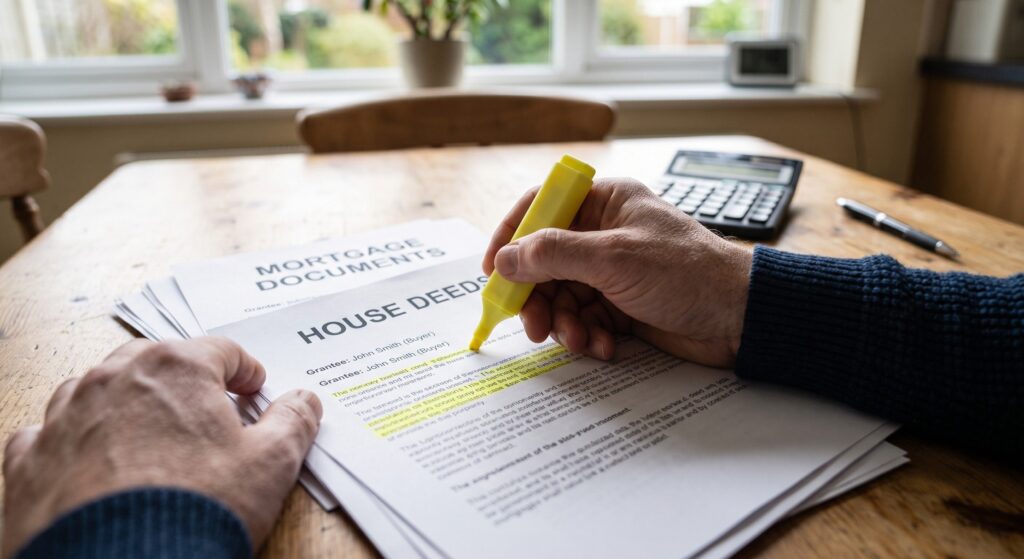
This comes down to something called a beneficial interest, which is different from being on the legal title. Even if only your name is on the deeds, a partner may be able to claim a share of the property’s value if she can show either:
- She’s contributed financially to the property — for example, paying towards the mortgage, a deposit, or significant renovations, especially if there was some understanding between you that this contribution earned her a stake.
- There was a common intention that you’d share ownership, even informally — something said or done that led her to reasonably believe she had a stake, and she acted on that belief to her detriment (for example, by giving up other financial opportunities).
These claims go through what’s called TOLATA (the Trusts of Land and Appointment of Trustees Act 1996). It’s a property and trust law process, not a family law one — meaning the court looks at legal entitlement and contributions rather than simply what feels “fair” the way a divorce court would. These cases are genuinely complex, and outcomes depend heavily on the specific facts and evidence, so this isn’t something to guess your way through — proper legal advice matters here.
What If We Have a Child Together?
Having a child changes the picture, but maybe not in the way you’d assume — it doesn’t hand her a share of your house directly. What it can do is give her a claim under Schedule 1 of the Children Act 1989, which allows a parent to apply for housing provision, child maintenance, or lump sums to meet the child’s needs. This is about the child’s welfare, not a personal property split for her. So the house itself typically wouldn’t become “half hers,” but a court could order housing arrangements to be made for the child until they’re grown, which practically affects how the property gets used.
What If My Name Isn’t on the Mortgage and We’re Not Married?
Flip the situation around and the same logic applies, just reversed. If you’re the one whose name isn’t on the mortgage or deeds, you don’t get an automatic share simply because you’ve lived there and contributed to bills. If you want any protection, you’d need to show the same kind of financial contribution or common intention outlined above, and even then, it’s not guaranteed — which is exactly why a written cohabitation agreement, sorted out before things go wrong, is worth its weight in gold. It sets out clearly in advance who owns what share, rather than leaving it to be argued over and interpreted after the relationship’s already ended.
And If We’re Married — Different Rules Entirely
This is where I want to flag something important, because the questions I get blur married and unmarried situations together constantly, and the law treats them very differently.
Is my husband entitled to half my house if it’s in my name? Possibly, yes — and this surprises people. On divorce, the court has wide discretion under the Matrimonial Causes Act 1973 to divide matrimonial assets fairly, regardless of whose name is on the title. The home you live in as a couple is very often treated as a matrimonial asset even if only one spouse legally owns it.
My wife owns the house, what rights do I have? As a spouse, you may have what’s known as “home rights” under the Family Law Act 1996, which can give you a right to stay in the home even if you’re not on the title, and the property will typically be considered by the court as part of the overall financial settlement on divorce.
Can my ex-husband claim half my house after divorce? Potentially, yes — again, ownership on paper doesn’t decide everything once divorce proceedings start. The court looks at the whole financial picture: contributions, needs, length of marriage, children involved.
So if you’re married, “it’s in my name” carries far less protective weight than most people assume. If you’re unmarried, it carries a lot more — but not total, unconditional protection.
I Own My House and Want My Girlfriend to Leave — Can I Just Ask Her To?
If she has no beneficial interest and isn’t on the tenancy or title, and you’re not married, you can generally ask her to leave, though how quickly and how it needs to be handled properly depends on her situation — for instance, if she has nowhere else to go, giving reasonable notice rather than an immediate ultimatum is both kinder and legally safer. If there’s any possibility she has a financial stake through contributions, that’s a separate conversation to sort out properly, ideally with legal advice, before things get heated.
Common Mistakes to Avoid
Assuming “it’s in my name” settles everything. For unmarried couples it helps a lot; for married couples it barely matters once divorce proceedings start.
Not keeping records of contributions. If money’s changed hands towards the mortgage, deposit, or renovations, keep the paper trail — it matters enormously if a dispute ever arises.
Making verbal promises about ownership you don’t intend to honour. Saying “this is half yours too” casually can genuinely count as evidence of common intention later.
Skipping a cohabitation agreement because “we trust each other.” Trust and legal clarity aren’t mutually exclusive — the agreement is there for if things go wrong, not because you expect them to.
Trying to handle a beneficial interest or TOLATA dispute without a solicitor. These cases turn on specific facts and evidence; get proper advice rather than guessing your position from a forum thread.
Final Thoughts
The honest answer to “can my girlfriend claim half my house” is: not automatically, but not never either — it depends entirely on money, promises, and paperwork, in that order. If you want real certainty rather than an educated guess, get a cohabitation agreement drawn up now, keep clear records of who’s paid for what, and if a dispute’s already brewing, talk to a solicitor before you talk to anyone else.
FAQ
Can my girlfriend claim half my house in the UK?
Not automatically. She’d need to show financial contributions or a shared understanding of ownership to make a successful claim under trust law.
Can my partner make a claim on my house?
Yes, potentially, if they’ve contributed financially or there was a common intention that they’d have a stake, even without being on the title.
Who gets the house when an unmarried couple splits up in the UK?
Whoever’s legally entitled under property and trust law — generally whoever’s on the title, unless the other partner can prove a beneficial interest.
What are my rights if I own half a house in the UK?
As a joint legal owner, you’re generally entitled to your share of the property’s value, though the exact split can depend on the type of joint ownership (joint tenants vs tenants in common) and any written agreement between you.
Can my girlfriend take my house if we have a child?
Not the house itself directly, but she could apply under Schedule 1 of the Children Act 1989 for housing provision or financial support to meet the child’s needs.
Is my husband entitled to half my house if it’s in my name?
Potentially yes — on divorce, courts have wide discretion to divide matrimonial assets fairly, regardless of whose name is on the deeds.
What are my rights if my name is not on the mortgage and we’re not married?
Limited automatic rights — you’d need to demonstrate financial contribution or a shared understanding of ownership to claim a share.
My wife owns the house, what rights do I have?
As a spouse, you likely have home rights allowing you to stay in the property, and it would typically be considered as a matrimonial asset in any divorce settlement.
Can my ex-husband claim half my house after divorce?
Yes, this is possible — divorce courts look at the full financial picture, not just legal ownership.

David Hargreaves is a legal content writer specialising in wills, inheritance, and cohabitation rights. He is passionate about helping UK residents understand what happens to their assets and loved ones, and writes in-depth guides to make the law easy to understand for everyone.