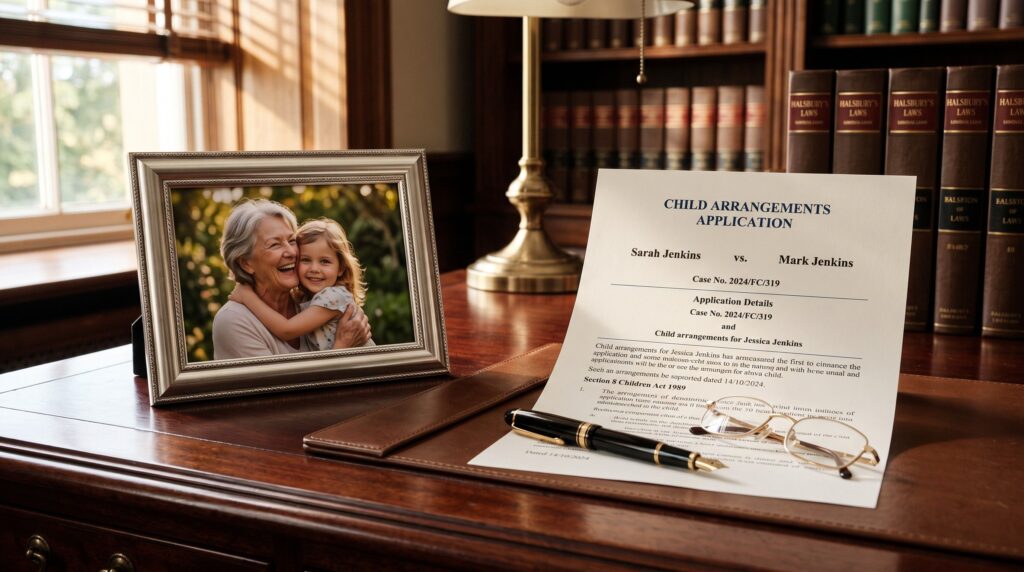
My mother stopped being invited to school pickups the same week my brother and his wife separated. No argument, no big blowup — just silence, then a text saying it “wasn’t a good time” for visits. Weeks turned into months. She kept asking me the same question over and over: “Do I even have any rights here, or do I just have to accept it?”
That question is what sent me digging through the actual legal process, rather than just sympathising with her over the phone. If you’re a grandparent going through the same thing right now, here’s the real answer on grandparents rights UK — not the comforting version, the accurate one.
Table of Contents
- Do Grandparents Have Rights to See Their Grandchildren in the UK?
- What to Do When You Can’t See Your Grandkids
- Step 1: Mediation Comes First
- Step 2: Applying for Court Permission
- Step 3: The Child Arrangements Order
- Can Grandparents Insist on Seeing Grandchildren?
- What If Your Daughter or Son Won’t Let You See Your Grandchild?
- What If the Parents Object?
- Mistakes Grandparents Often Make
- Frequently Asked Questions
- Related Searches
Do Grandparents Have Rights to See Their Grandchildren in the UK?
Here’s the uncomfortable truth first: no, not automatically. Grandparents don’t hold what’s called “Parental Responsibility,” which means you can’t legally demand contact the way a parent can. That surprised my mother, and honestly, it surprised me too.
But that’s not the whole story. You absolutely have the right to apply to the court for permission to see your grandchildren, and the court’s entire approach centres on one thing: the best interests of the child. If you’ve genuinely had a close, loving relationship with your grandchildren, courts tend to be sympathetic, because they recognise that a child’s life is genuinely richer with grandparents involved.
What to Do When You Can’t See Your Grandkids
The instinct is to panic or push hard immediately. Don’t. The first practical thing to do is start keeping a simple record — dates you tried to arrange contact, messages sent, responses (or silence) received. This matters more later than it seems like it should, especially if things end up in front of a judge.
Then follow the actual legal sequence, rather than trying to skip steps out of frustration.
Step 1: Mediation Comes First
Before you can apply to court, the law requires you to attempt mediation, unless there are safeguarding issues like domestic abuse involved. This starts with attending a MIAM (Mediation Information and Assessment Meeting). A neutral mediator sits down with you and the parents to try to reach what’s called a Family-Based Agreement, without the cost and stress of a courtroom.
It’s worth genuinely trying this stage properly, even if it feels pointless in the moment. Courts want to see it was attempted in good faith.
Step 2: Applying for Court Permission
This is the part that catches most grandparents off guard. Unlike parents, grandparents usually need the court’s permission — called “leave” — before they can even apply for a Child Arrangements Order.
When deciding whether to grant that permission, the judge considers:
- Your existing connection to the child
- What kind of contact you’re actually asking for
- Whether granting your application risks disrupting the child’s life in a harmful way
If you’ve been a steady, positive presence, this stage tends to go in your favour more often than people expect.
Step 3: The Child Arrangements Order
Once permission is granted, you can apply for a Child Arrangements Order. This is a legally binding document spelling out exactly when and how contact happens — one weekend a month, school holidays, scheduled video calls, whatever fits your situation. Once it’s in place, it carries real legal weight, not just a verbal understanding that can be ignored.
Can Grandparents Insist on Seeing Grandchildren?
Not in the sense of demanding it outright — but you can absolutely pursue it through the legal system described above. “Insisting” informally, through repeated arguments or pressure on the parents, tends to backfire and can even work against you if it looks like conflict rather than genuine concern for the child. The court process exists precisely because informal insistence doesn’t carry legal force.
What If Your Daughter or Son Won’t Let You See Your Grandchild?
This is one of the most painful versions of this situation, because it’s your own child cutting off contact, not an ex-partner. Legally, the process is exactly the same regardless of which parent is restricting contact. The mediation and court permission route applies whether it’s your son, your daughter, or their partner making the decision.
Practically, it helps to stay calm in communications, avoid criticising the parent to the child or to mutual family members, and let your track record as a grandparent speak for itself in any eventual application.
What If the Parents Object?
It’s genuinely common for one or both parents to object to grandparent contact, especially during a high-conflict split. But simply “not liking” the grandparents, or a personal falling-out, is rarely enough on its own for a judge to refuse contact.
Courts will only turn down your application if there’s real evidence that contact would be harmful to the child’s physical or emotional wellbeing. If your history with the grandchildren has been safe and supportive, that history carries real weight.
Mistakes Grandparents Often Make
- Going straight to angry confrontation with the parents instead of documenting attempts and trying mediation first.
- Assuming “grandparents rights” means an automatic entitlement, then feeling blindsided by the permission stage.
- Criticising the parent to the grandchild, which can genuinely damage a later court application.
- Waiting too long to seek advice, letting months of no contact turn into a much harder gap to bridge.
- Not asking about “indirect contact” as a starting point when face-to-face visits aren’t possible yet.
Frequently Asked Questions
What to do when your daughter won’t let you see your grandchild?
Start with mediation through a MIAM session, keep records of your attempts to stay in contact, and if that doesn’t resolve things, apply to court for permission to seek a Child Arrangements Order. The process is the same regardless of which parent is restricting access.
Can grandparents insist on seeing grandchildren?
Not through direct demand, since grandparents don’t hold automatic Parental Responsibility. You can, however, pursue formal contact through mediation and, if needed, a court application.
What to do when you can’t see your grandkids?
Document your attempts at contact, try mediation first unless safeguarding issues apply, then apply to the family court for permission to seek a Child Arrangements Order if mediation doesn’t resolve things.
When your son won’t let you see your grandchildren, what are your options?
The same legal route applies — mediation first, then a court application for permission if needed. The court looks at your relationship with the child and their best interests, not which parent is restricting contact.
Do grandparents have rights to see their grandchildren in the UK?
Not an automatic legal right, but grandparents can apply to the court for permission to seek contact, and courts do value a genuine, positive grandparent relationship when deciding.
How much does the court application cost?
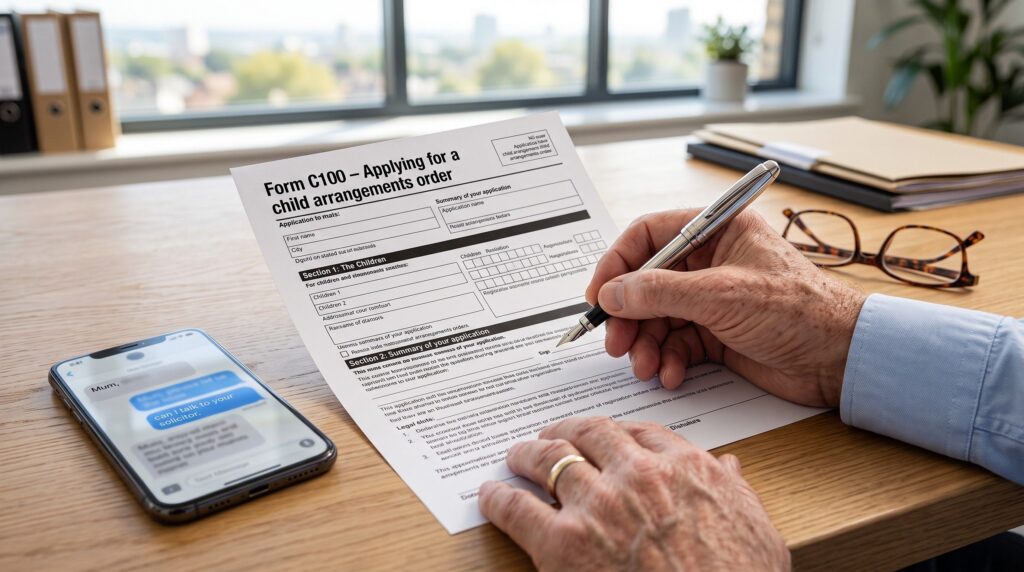
\As of 2026, a C100 application, which includes the permission request, costs £232. Help with Fees may be available if you’re on a low income or pension.
Does the child’s age matter?
Yes. As children get older, particularly from around 12 upwards, courts give more weight to the child’s own wishes and feelings about contact.
Can I see my grandchildren if they’re in foster care?
Yes. Local Authorities have a duty to encourage contact between children in care and extended family, provided it’s assessed as safe and in the child’s best interests.
What is “indirect contact”?
If face-to-face visits aren’t possible right away, a court might order indirect contact instead — letters, birthday cards, or scheduled video calls, as a stepping stone toward more direct contact later.
Related Searches
- Do grandparents have rights to see their grandchildren UK
- Do grandparents have a right to see their grandkids
- What to do when you are not allowed to see your grandchildren
- How often should grandparents see their grandchildren
- How to apply for grandparents rights
- Grandparents denied access to grandchildren
- Family court grandparents rights
- Banned from seeing grandchildren
Further reading: GOV.UK – Apply for a court order about arrangements for a child | GOV.UK – Family mediation
Disclaimer: This article is for general information only and isn’t legal advice. Grandparents’ rights cases can be complex depending on individual family circumstances. We strongly recommend consulting a qualified family solicitor to discuss the permission stage of your case.

Sarah Mitchell is a family law specialist with a strong background in child arrangements, custody disputes, and family mediation. She joined LegalFacts.uk to help parents across the UK understand their legal rights and make informed decisions for their children’s future.