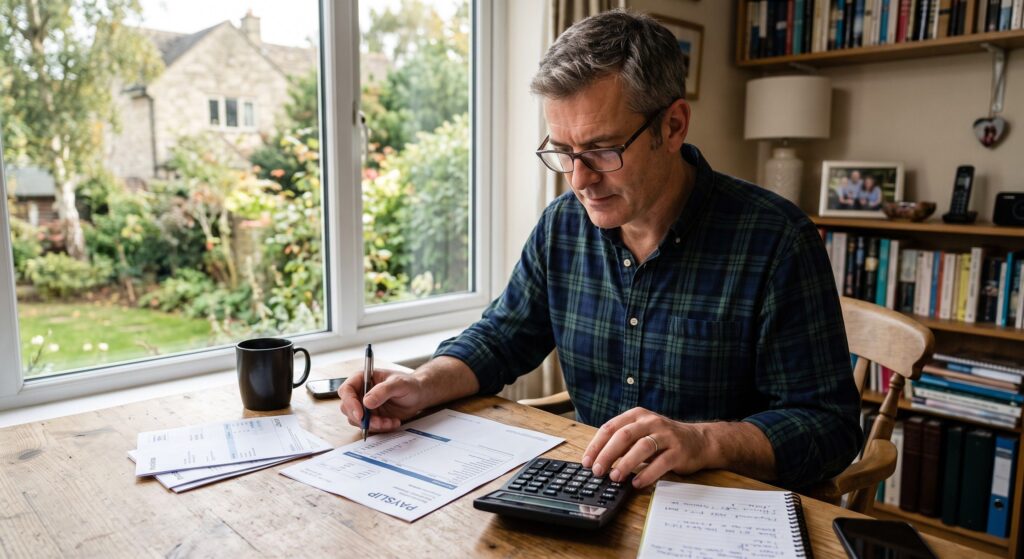
Let’s not dance around this one. If you’re an unmarried father in the UK, you have a legal duty to financially support your child — full stop. Marriage has nothing to do with it. Whether you were together for ten years or ten weeks, whether you’re on speaking terms with the mother or not, your obligation to your child exists regardless. That’s the headline. Now let’s get into the actual detail, because there’s a lot more to your position than just “you have to pay.”
Do You Have to Pay Child Support If You’re Not Married in the UK?
Yes. Marriage status is completely irrelevant to child maintenance obligations. The duty comes from being the child’s legal parent, not from your relationship status with the mother. This applies whether you’ve got parental responsibility or not — even a father with no parental responsibility still has a financial obligation to his child.
How Much Does a Father Have to Pay for Child Support in the UK?
The Child Maintenance Service (CMS) uses your gross weekly income — your pay before tax and National Insurance — as the starting point. From there, one of five rate bands applies, with the standard “basic rate” working out as:
- 12% of gross weekly income for one child
- 16% for two children
- 19% for three or more children
That figure gets adjusted downward if you have shared care — meaning the child stays overnight with you regularly. Depending on how many nights per year, you can get a reduction of anywhere from one-seventh to three-sevenths off the amount, reflecting the fact you’re already covering costs during that time. It’s also reduced if you’re supporting other children in your household — typically an 11%, 14%, or 16% reduction to your income figure before the main rate is applied, depending on how many.
You can use the free calculator on GOV.UK to get an accurate estimate for your own circumstances, since the exact figure depends on your specific income, other dependents, and care arrangements.
What Happens If a Father Doesn’t Pay Child Support in the UK?

This is where things get serious, and I want to be direct about it. If maintenance goes unpaid, the CMS has real enforcement powers, including:
- Deducting payments directly from your wages through your employer
- Taking money directly from your bank account
- Applying a charging order against property you own
- Suspending or removing your driving licence
- In serious, persistent cases, seeking imprisonment through the courts
None of these are empty threats — they’re standard enforcement tools the CMS uses regularly. If you’re genuinely struggling to pay because your circumstances have changed, the right move is contacting the CMS directly to review your case, not simply stopping payments and hoping it goes unnoticed.
What Rights Does an Unmarried Father Have in the UK?
Paying up is your duty. But rights and duties aren’t automatically linked in the way people assume — this is the part that trips fathers up constantly.
You automatically have parental responsibility if you’re named on the child’s birth certificate (for registrations from 1 December 2003 onwards). Parental responsibility gives you a legal say in the big decisions — schooling, medical treatment, religion, and changes to the child’s name or where they live long-term. It’s separate from how much time you actually spend with the child; a father seeing his child every other weekend still has equal say in those major decisions as a father with full-time care.
If you’re not named on the birth certificate, you don’t automatically have parental responsibility, but you can get it through a Parental Responsibility Agreement signed with the mother, or by applying to the court for a Parental Responsibility Order if she won’t agree.
Parental Responsibility, Properly Explained
Since this comes up constantly, let’s break down exactly what it covers and how it works.
What are the 10 responsibilities of a parent? There’s no official numbered list, but parental responsibility broadly covers: providing a home, deciding where the child lives, having contact with the child, protecting and maintaining them, deciding on their education, consenting to medical treatment, agreeing to adoption, vetoing a passport application, determining their religion, and naming them or agreeing to any name change. Some lists also include consenting to marriage once the child’s older. It’s less a fixed checklist and more a bundle of decision-making authority under the Children Act 1989.
Parental responsibility agreement form. This is a specific form (form C(PRA1)) that both parents sign, then send to the court to be officially recorded — it doesn’t need a hearing, just both parents’ agreement and a witness.
Parental responsibility order. If the mother won’t agree to a Parental Responsibility Agreement, the father can apply to the court for an order instead. The court’s only real concern is the child’s welfare, and these applications are generally granted unless there’s a good reason not to.
Does parental responsibility end at 18? Yes — it automatically ends when the child turns 18, regardless of the parents’ living arrangements before that point. The only other way it ends earlier is through adoption.
Can Parental Responsibility Be Removed From a Father?
How to remove parental responsibility from father is one of the most searched questions on this topic, so let’s be straight about it: it’s genuinely rare, and courts don’t do it lightly. Parental responsibility exists to serve the child’s interests, not as a reward or punishment tied to how the parents get along. A court would only consider removing it in serious circumstances — for example, safeguarding concerns about the child’s welfare — and even then, it’s a high bar to clear.
How to get full parental responsibility as a mother usually means the mother is really asking how to limit or remove the father’s involvement in decision-making, rather than “adding” anything to her own responsibility (which she already has automatically and can’t lose). This typically requires a court application, and the court will weigh it very carefully against the child’s right to a relationship with both parents, unless there’s a genuine welfare concern at play.
Common Mistakes to Avoid
Assuming no marriage means no obligation. It doesn’t — your duty to financially support your child exists regardless of your relationship status.
Ignoring CMS correspondence. Enforcement escalates quickly once payments are missed and communication stops.
Assuming parental responsibility and child maintenance are the same thing. They’re separate — you can owe maintenance without having parental responsibility, and vice versa.
Not formalising parental responsibility if you’re not on the birth certificate. Without it, you have no formal legal say in major decisions, regardless of how involved you actually are day to day.
Believing informal arrangements are enough long-term. A private agreement can work well while things are amicable, but a formal CMS calculation protects both parents if circumstances or relationships change.
Final Thoughts
Being an unmarried father doesn’t put you in some separate legal category where the rules are optional — your financial duty to your child is exactly as real and enforceable as it would be if you were married. What’s genuinely worth your attention is making sure your rights around parental responsibility are properly sorted too, because that side of things isn’t automatic in the same way the financial duty is. Get both pieces right, and you’re in a far stronger, clearer position — for your child’s sake as much as your own.
FAQ
Do you have to pay child support if you’re not married in the UK?
Yes. The obligation comes from being the child’s legal parent, not from marital status.
What happens if a father doesn’t pay child support in the UK?
The Child Maintenance Service can enforce payment through wage deductions, bank account deductions, charging orders, driving licence removal, and in serious cases, imprisonment.
What rights does an unmarried father have in the UK?
Full parental rights and responsibility if named on the birth certificate, or through a Parental Responsibility Agreement or court order if not.
How much does a father have to pay for child support in the UK?
Typically 12% of gross weekly income for one child, 16% for two, and 19% for three or more, adjusted for shared care and other dependents.
How to remove parental responsibility from a father?
Only through a court application in serious circumstances, usually involving welfare concerns — it’s rarely granted and not tied simply to the parents’ relationship breaking down.
Does parental responsibility end at 18?
Yes, it ends automatically when the child turns 18.
What is a parental responsibility agreement form?
A form both parents sign and register with the court to formally give an unmarried father parental responsibility without needing a court hearing.

David Hargreaves is a legal content writer specialising in wills, inheritance, and cohabitation rights. He is passionate about helping UK residents understand what happens to their assets and loved ones, and writes in-depth guides to make the law easy to understand for everyone.