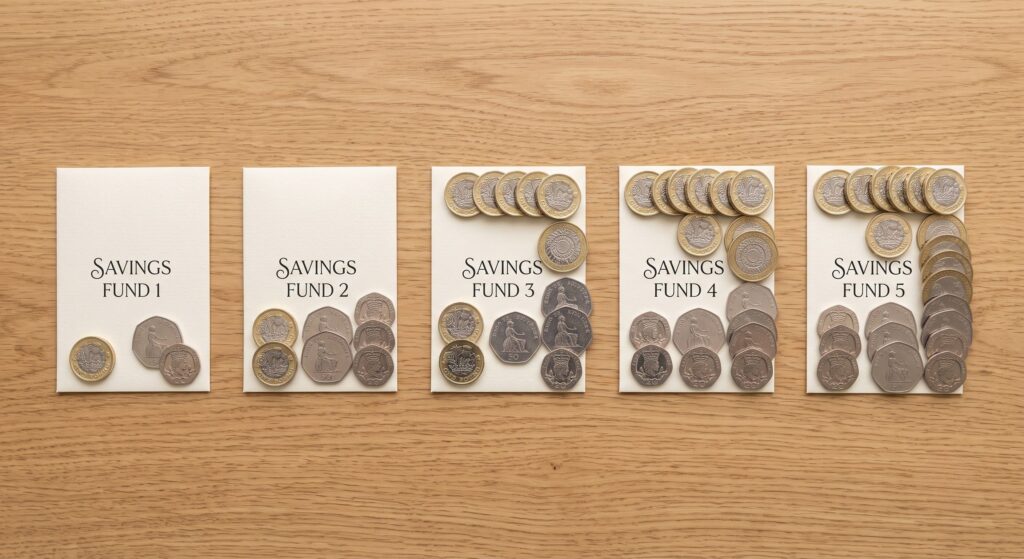
There isn’t one “cheapest way to get divorced” — there are five real routes, and which one is cheapest for you depends entirely on your situation. We’ve lined them up side by side, cheapest to priciest, with the honest trade-offs for each, so you can pick the one that actually fits rather than the one that sounds cheapest in a headline.
Option 1: Full DIY Divorce — From £612
What it involves: You handle the entire application yourself through the official GOV.UK divorce portal. No solicitor, no service, just you, the online form, and the court fee.
Cost: £612 flat (split between you on a joint application, so around £306 each). This is the absolute floor price — nothing gets cheaper than this.
Pros:
- The single cheapest legal route to end a marriage in the UK
- No middleman, full control over pacing and communication
- Works well if you both agree, have no significant assets, and no children arrangements to fight over
Cons:
- Covers the divorce only, not finances — you’ll still need a separate consent order for that to be legally binding
- No safety net if forms are filled in incorrectly (errors can delay or, in rare cases, invalidate progress)
- Not advisable at all if there’s any conflict, complexity, or safety concern
Best for: Genuinely amicable, low-asset, no-kids-to-arrange situations.
Option 2: DIY + Mediation — From Around £1,100–£2,100
What it involves: Same DIY application process for the divorce itself, but you bring in a mediator to help sort finances and, if relevant, child arrangements, instead of solicitors negotiating on your behalf.
Cost: £612 court fee + roughly £500–£1,500 in mediation costs, usually split between you, so often £550–£1,050 each in total.
Pros:
- Far cheaper than solicitor negotiation for the same outcome
- Mediation still produces a proper agreement that can be turned into a legally binding consent order
- Keeps things collaborative rather than adversarial, which tends to reduce stress and cost simultaneously
Cons:
- Needs both people willing to sit in a room (or video call) and actually negotiate
- Doesn’t work if there’s a serious power imbalance or safety concern between you
- Still requires a bit more admin than pure DIY to turn the mediated agreement into a court order
Best for: Couples who agree on the big picture but need help working through the specifics of splitting money or arranging kids’ time.
Option 3: Online Divorce Services — From Around £800–£1,200

What it involves: A paid online service (not a solicitor) handles your paperwork for you — checking forms, managing submission, guiding you through each stage — without giving legal advice.
Cost: £612 court fee + roughly £200–£600 for the service, so total around £800–£1,200.
Pros:
- Reduces the risk of form errors that cause delays or rejections
- Cheaper than a solicitor by a wide margin
- Good middle ground if you’re not confident doing the paperwork completely solo but don’t need legal advice
Cons:
- Still not legal advice — if a dispute arises, you’re on your own
- Doesn’t cover complex financial matters
- Quality varies a lot between providers, so it’s worth checking reviews before paying
Best for: People who agree on everything but want reassurance the paperwork’s being done right.
Option 4: Fixed-Fee Solicitor Package — From Around £1,500–£3,000
What it involves: A solicitor handles the whole process for a set price rather than billing by the hour, typically including the application, the conditional order, the final order, and a straightforward consent order.
Cost: Fixed-fee packages start around £300–£800 plus VAT for the divorce process alone; add proper financial settlement work and total costs commonly land in the £1,500–£3,000 range.
Pros:
- You know the total cost upfront, no surprise bills
- Genuine legal advice and protection built in
- Good balance of cost control and professional safety net
Cons:
- More expensive than DIY or mediation-only routes
- Fixed fees usually only cover straightforward cases — anything contested moves you to hourly billing
Best for: Couples who agree but want proper legal protection on the financial side without open-ended hourly costs.
Option 5: Hourly-Rate Solicitor — £150–£400+ Per Hour, Total Varies Wildly
What it involves: Traditional solicitor representation, billed by the hour, used when there’s negotiation, dispute, or complexity involved.
Cost: No fixed ceiling. Straightforward negotiated cases might total £2,000–£5,000. Contested cases with real disputes over money or children can run £5,000–£30,000+, and complex high-asset cases can exceed £50,000 per person.
Pros:
- Full legal representation and negotiation on your behalf
- Necessary and genuinely protective in contested, complex, or high-conflict situations
- Can achieve outcomes DIY or mediation simply can’t when the other side won’t cooperate
Cons:
- By far the most expensive route
- Costs are unpredictable and scale directly with how much conflict exists
- Overkill for genuinely simple, agreed situations
Best for: Anyone facing real disagreement, complex assets, or a spouse unwilling to cooperate.
The Cheapest and Fastest Combined Option
If you want both cheap and fast, it’s Option 1 or 2 — full DIY, or DIY plus light mediation. There’s no way to beat the legal minimum timeline of 26 weeks (20-week reflection period plus a 6-week final wait) no matter which route you take — that clock is fixed by law regardless of cost. But you can absolutely avoid adding delay on top of it, and DIY with mediation is the version least likely to get bogged down in solicitor correspondence, form rejections, or drawn-out negotiation.
What If I Want a Divorce But Can’t Afford It?
A few genuinely useful things to check before assuming it’s out of reach:
- Apply for Help with Fees (form EX160). This can reduce or fully waive the £612 court fee depending on income and savings. As a rough guide: under 66 with savings of £4,250 or less, or 66-plus with under £16,000, plus a gross monthly income around £1,420 or less, and you’re likely eligible for a full waiver.
- Use mediation instead of solicitors. It costs a fraction of legal representation and still produces something legally enforceable.
- Check for a Family Mediation Voucher. Schemes offering up to £500 toward mediation costs (particularly for arrangements involving children) have run periodically — check current availability, as these come and go.
- Ask about legal aid if safety is a factor. It’s heavily restricted generally, but still available in specific circumstances, particularly domestic abuse cases.
Alternatives to Divorce in the UK
If cost — or simply not being ready for full divorce — is the sticking point, there are a couple of formal alternatives worth knowing about:
- Separation agreement: An informal but properly drafted document setting out how you’ll handle finances and living arrangements while separated, without involving the courts at all. Cheapest option by far, though both parties should still get independent legal advice to make sure it’s fair and future-proof.
- Judicial separation: A court-sanctioned formal separation that deals with money and property similarly to divorce, but doesn’t end the marriage — useful if you’ve been married less than 12 months (so can’t yet apply for divorce), or if divorce conflicts with personal or religious beliefs. One notable limitation: because you’re technically still married, the court can’t make a pension sharing order under judicial separation.
Neither of these is “cheaper divorce” exactly — they’re different legal statuses entirely — but they’re worth knowing about if divorce itself isn’t the right fit yet.
Common Mistakes to Avoid
- Picking the cheapest option regardless of your actual situation. DIY is cheap for a reason — it doesn’t include protection you might genuinely need.
- Assuming mediation only works for finances. It can help with child arrangements too, and often should.
- Not checking Help with Fees eligibility before assuming solicitors are your only option.
- Forgetting the consent order regardless of which route you pick. Every option above still needs this step if there’s money or property involved.
- Choosing hourly billing without asking for a fixed-fee alternative first, even in a contested case — some firms offer partial fixed fees for specific stages.
Final Thoughts
There’s no single “cheapest way” that fits everyone — there’s a cheapest way that fits your situation, and it depends entirely on how much agreement and complexity you’re working with. Full DIY is unbeatable on price if you’re genuinely aligned. Mediation closes the gap between free and properly protected. Solicitors earn their cost the moment real conflict enters the picture. Match the option to your actual circumstances, not to whichever number looks smallest on a list, and you’ll end up both cheaper and better protected.
FAQ
What is the cheapest way to get divorced in the UK?
A full DIY divorce with no solicitor involvement, costing just the £612 court fee split between you, is the cheapest legal route — provided both parties agree and there’s little to no complexity around assets or children.
What is the cheapest and fastest way to get a divorce?
DIY combined with mediation for finances is the fastest cheap route, since it avoids solicitor delays while still meeting the fixed 26-week legal minimum timeline.
What if I want a divorce but can’t afford it?
Apply for Help with Fees to reduce or waive the court fee, use mediation instead of solicitors, and check for mediation voucher schemes or legal aid if safety concerns are involved.
What are the alternatives to divorce in the UK?
A separation agreement (informal, no court involvement) or judicial separation (a formal court-sanctioned separation that doesn’t end the marriage) are the two main alternatives, useful for short marriages or where divorce itself isn’t the right fit yet.

James Whitfield is a senior legal researcher with over a decade of experience in UK family law and civil rights. He founded LegalFacts.uk to make complex legal information simple and accessible for everyday people across the United Kingdom.